

The resignation of SAFA Cape Town Treasurer Sadick Williams should not automatically be celebrated as a courageous stand for good governance.
If anything, it raises even more questions about what has been happening behind the scenes at the region for years.
Williams’ departure, accompanied by a scathing attack on President Bennett Bailey’s leadership, governance standards and decision-making processes, paints the picture of an administrator who could no longer tolerate what he considered an unacceptable culture within the organisation.
But where was this indignation when he sat at the heart of that very administration?
Critics will rightly point out that Williams was no outsider looking in. He was part of the leadership collective that oversaw many of the decisions now being questioned. More notably, he played a central role in the disciplinary process that ultimately led to the removal of former Treasurer Wayne Weitz.
Indeed, Williams reportedly compiled the charges against Weitz and later featured prominently in proceedings that hastened his predecessor’s departure. The fallout extended beyond football, with Weitz also losing his position at the Western Cape Department of Cultural Affairs and Sport.
That history cannot simply be ignored. The timing of Williams’ resignation is equally difficult to ignore. Ultimately, Williams’ resignation does not close the book on Safa CT’s governance troubles. On the contrary, it opens a new chapter.
His allegations are serious and deserve investigation. At the same time, his own role in many of the events that shaped the current administration cannot be overlooked.
The reality is that there are now too many questions, too many disputes and too many recurring governance concerns for everything to be dismissed as political grandstanding.
Equally intriguing is the matter of former bookkeeper Les Mondo. At the Congress which ratified Weitz’s suspension, delegates called on the REC to investigate Mondo after the presentation of financial reports.
Williams himself was involved in presenting findings related to those matters. Yet years later, the same administration appears divided over Mondo’s possible return.
The obvious question is: what changed?
If Mondo’s removal was justified then, on what basis is his reappointment being considered now? Conversely, if bringing him back is the correct decision today, does that not raise questions about decisions taken in the past?
Since Weitz’s suspension and subsequent acquittal, questions surrounding Safa CT’s finances have hardly disappeared. Financial statements have remained a recurring point of discussion and concern, while the appointment of new auditors has not silenced critics.
Those same auditors have, at various stages, found themselves drawn into controversy relating to electoral processes and candidate eligibility. Whether those concerns have merit or not, they contribute to a growing perception that governance within Safa Cape Town requires far greater scrutiny.
And then there are the wider governance questions that refuse to go away. The controversy surrounding candidate eligibility and vetting processes also warrants closer examination.
According to court records and media reports at the time, Safa CT’s Ian Pakoe, a former maintenance manager at the Table Bay Hotel, was convicted on corruption, money laundering and tax-related offences arising from a scheme involving hotel maintenance contracts in 2018.
He was sentenced to six years’ imprisonment, while his company, IJP Consultants, received a suspended fine. Reports also stated that a co-accused became a state witness and received indemnity from prosecution.
The issue for Safa CT is not the conviction itself, which is a matter of public record, but whether the organisation’s governance structures adequately assessed the eligibility of candidates and office-bearers where questions may have arisen.
What vetting procedures were followed? If Bailey knowingly allowed an ineligible candidate to stand, that would raise serious questions about leadership and accountability. If he did not know, then equally serious questions must be asked about the effectiveness and credibility of the electoral processes under his watch.
Either scenario is troubling.
Then there’s the matter surrounding Robbie Lewis, president of the Greater Blue Downs LFA. Despite living nearly a thousand kilometres away, Lewis has been calling the shots in Blue Downs without fear of reprisal. He even heads the region’s Dispute Resolution Committee. And guess what? He was re-elected at the AGM in May this year.
The same level of scrutiny should apply to the composition of the REC itself. Questions have been raised regarding the status and eligibility of certain office-bearers and whether all appointments fully comply with constitutional requirements.
Not to mention the mounting legal costs already weighing on the region’s coffers, including liabilities linked to Lionel Clay Attorneys following the Liverpool Portland matter against Safa CT, costs that the region will ultimately have to settle.
However, that may be only the tip of the iceberg.
The plot thickens with Safa CT potentially facing yet another legal headache, this time in the form of a civil dispute involving the Sport Stepping Stones Foundation (SSS), a matter that could further exacerbate the Mother body’s financial situation should the case proceed unfavourably.
With one High Court matter already looming and another potential legal battle on the horizon, questions are likely to be asked about the growing financial burden of litigation on the region and, ultimately, who will be expected to foot the bill.
As the old saying goes… Where there’s smoke, there’s usually fire. The question is no longer whether the custodians of football in the Cape Metropole sit with a governance problem, but rather how deep it runs.
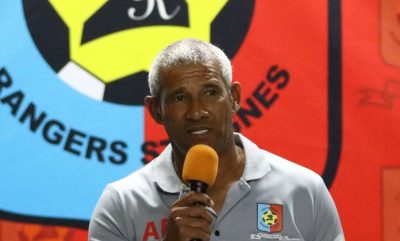
PHOTO SUPPLIED

One Response
I left the financials affairs of Safa in good nick when I decided not to serve anymore, all systems to ensure proper governance of the finances was in place when Wayne took over from me but I suppose politics amongst rec members let them lose focus on their mandate.