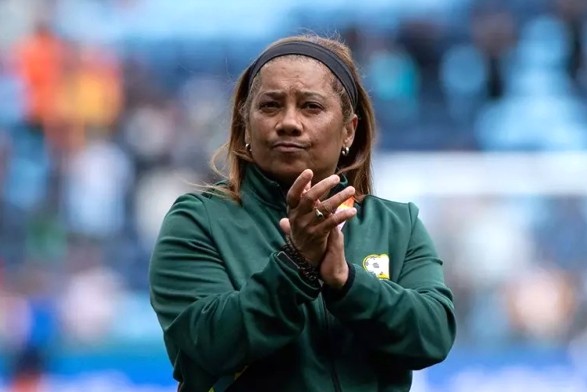
Spare a thought for Stellenbosch FC Ladies striker Jade Jones.
With eight goals to her name this season, Jones currently sits second on the Hollywoodbets Super League goalscoring chart, just two behind AmaTuks forward Siyamthanda Qashani. Her performances have not only placed her among the league’s most dangerous attackers, but she is also outscoring established internationals such as Banyana Banyana and Mamelodi Sundowns striker Noxolo Cesane, as well as Sundowns teammate and Botswana international Refilwe Tholakele (both six goals).
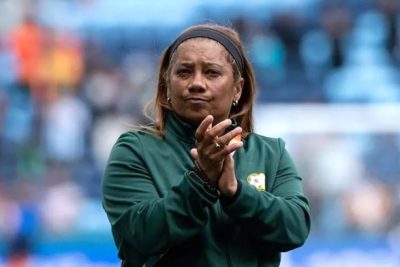
Jones’ goalscoring exploits should not come as a surprise. Before joining Stellenbosch, she scored an impressive 56 goals over two seasons for The Magic Ladies, form that convinced Stellies to bring her in to sharpen their attack. The question doing the rounds in Cape Town football circles is: What more must players like Jones do to earn recognition from Banyana Banyana coach Desiree Ellis?
These talented players are not even receiving invitations to national training camps, which inevitably raises questions about whether they are being seriously considered for future national-team selection. Ellis recently named her 23-player squad for South Africa’s upcoming international assignments, and once again there were very few surprises. Many of the familiar faces remain, while opportunities for emerging talent appear limited.
Among those selected are players from some of the country’s most successful women’s clubs, including Mamelodi Sundowns Ladies, UWC and JVW FC. While those clubs have undoubtedly produced quality talent, there remains a perception among Capetonians that the national team selection pool has become too narrow.
Women’s football in Cape Town has produced gifted players for more than a decade. Yet very few have been given sustained opportunities at senior national-team level. Is it really possible that none of the standout performers from the Mother City are worthy of a call-up? Given Ellis’ roots in Cape Town, one would expect her to be well aware of the talent that exists within the region, as well as the challenges many young female footballers face in gaining exposure.
This is not a personal attack on Ellis. Rather, it is a legitimate football debate. Since taking over on a permanent basis in 2018, following her two years as interim coach prior, how many new talent has she given a meaningful opportunity to establish themselves at international level?
The discussion is not new.
A classic example still points to former Santos Ladies star Miche Minnies, who earned a move to Mamelodi Sundowns but never became a consistent fixture in the national setup. For many, it was difficult to understand how a player could be considered good enough for one of the continent’s strongest clubs, yet not for the national team? Ironically, the national squad has often featured a significant number of Sundowns players.
Some critics argue that Ellis has benefited from a foundation laid by former coach Vera Pauw. Pauw helped assemble a talented core group that would go on to enjoy remarkable success, including multiple COSAFA Women’s Championship titles and South Africa’s historic Women’s Africa Cup of Nations triumph.
That should not diminish Ellis’ achievements. She deserves credit for guiding the team to unprecedented success. However, critics maintain that the next challenge is ensuring the long-term sustainability of that success through the introduction and development of younger talent.
Former Banyana Banyana forward Jermaine Seoposenwe added fuel to the debate when she announced her international retirement last year and publicly questioned aspects of the national team’s direction. Among her concerns was what she viewed as a continued reliance on experienced players at the expense of building for the future.
The reality is that many members of the current squad have represented South Africa for more than a decade. Experience is invaluable, but every national team eventually faces the challenge of succession planning. No one is suggesting that proven performers should be discarded. However, national-team camps often present opportunities to expose younger players to the international environment while maintaining a competitive squad.
For players such as Jones and many others, the frustration is understandable. Week after week they deliver performances at domestic level, yet the pathway to higher honours appears very limited and unclear. Whether one agrees with the criticism or not, the debate is worth having. South African women’s football continues to grow, and with that growth comes the responsibility to constantly identify, nurture and reward emerging talent.
The question is not whether Banyana Banyana have talented veterans. The question is whether enough is being done today to ensure the next generation is ready when their time comes?
PHOTO SUPPLIED