“Leadership is an opportunity, not a weapon. An opportunity to serve, not to destroy.”
I recently came across this quote and, the more I reflected on it, the more I realised it encapsulate the current challenges facing our local football administration quite accurately – and one that exposes local football’s greatest shortcomings: a shortage of leadership and an abundance of power!
The current football landscape, unfortunately, reflects the very opposite of what true leadership should represent. When entire sections of the football fraternity feel compelled to pursue votes of no confidence against those elected to lead them, it paints a worrying picture of the state of governance within the game.
What is perhaps even more concerning is that many of these so-called leaders, honourable exceptions aside, are well into their retirement years.
One would expect them to be enjoying time with their children, grandchildren and families, or pursuing the personal interests they have earned after decades of service and sacrifice.
Instead, many appear determined to cling to positions of authority as though football cannot survive without them.
Now, there would be little argument if results justified their continued presence. Experience remains invaluable in any organisation.
However, too often the reality tells a different story. Administration is stagnant, development structures are neglected, and football continues to suffer from poor governance, infighting and unnecessary controversy. Under those circumstances, defending the status quo becomes increasingly difficult.
Surely one of the primary responsibilities of leadership is succession planning.
On the field, coaches dedicate countless hours to identifying, mentoring and developing the next generation of players. The same applies to technical directors, managers and academy structures, all focused on ensuring the baton can be passed seamlessly when the time comes.
Why then does this philosophy disappear when it comes to administrative leadership?
Why are young, capable and ambitious administrators so often met with resistance from the very people who should be guiding them? Why are pathways into leadership positions blocked by gatekeepers seemingly more concerned with preserving power than securing football’s future?
A healthy organisation should never fear fresh ideas, new energy or succession. It should actively encourage them.
Leadership was never meant to be a lifetime appointment. It is a responsibility entrusted to individuals for a season, not a possession to be held indefinitely.
If you are fortunate enough to occupy a leadership or advisory position within football, fulfil your mandate with integrity and purpose. Lead, mentor, empower and leave the game better than you found it.
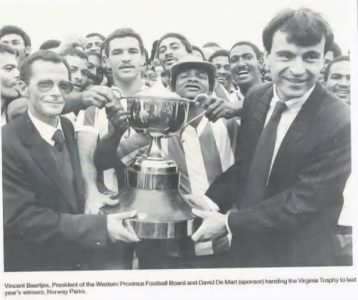
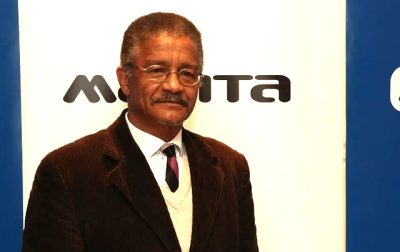
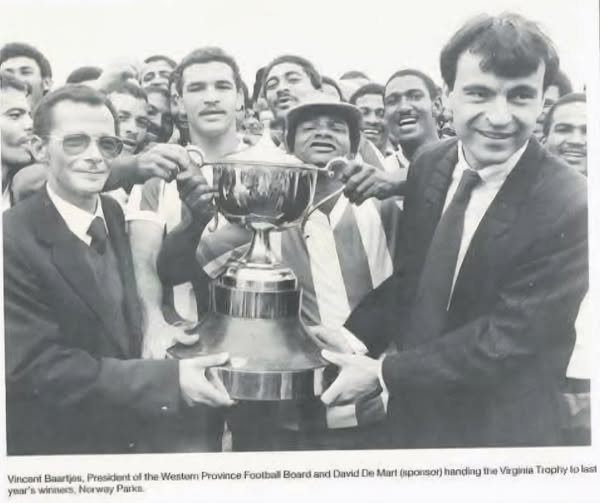
The late former Safa Western Province president, Vincent Baatjies (pictured left), embodied many of these qualities. Those who worked alongside him often speak of a leader who prioritised the interests of the organisation above personal considerations.
There was no fixation on titles or recognition, only a commitment to serving football and those entrusted to his care.
That is why his legacy continues to resonate years after his tenure and passing. Unfortunately, the same cannot be said for everyone.
After more than a decade at the helm, some leaders have little to point to beyond division, controversy and missed opportunities. Twelve years is more than enough time to leave a meaningful mark on the game.
If the football community is struggling to identify that legacy, then perhaps the question is not whether those leaders have been in office long enough, but whether they should have remained there for so long in the first place.
True leaders understand that their greatest achievement is not how long they remain in power, but what remains after they leave.
And if you can no longer inspire progress, cultivate future leaders or advance the interests of the game, then perhaps the greatest act of leadership is knowing when to step aside and allow others the opportunity to do so.
Because leadership is not about power. It is about service. And service should leave behind a legacy, not a vacancy.
PHOTO SUPPLIED